A growing number of Masai Mara travelers want their trip to do more than fill a camera roll. Searches for community health projects Masai Mara safari volunteering usually come from that instinct. Travelers want to pair a wildlife safari with something that supports the people who live alongside the reserve. The good news is that real programs exist, run by established organizations and conservancies rather than pop-up volunteer schemes. Here is the catch: most of them are not built for short-term, unskilled visitors to hand out medicine. Touring Insights breaks down what these projects actually do and who runs them. It also covers how a traveler can build a genuine safari with purpose without overstepping.
What “Safari with Purpose” Really Means in the Mara
A safari with purpose is not a two-week medical mission bolted onto a game drive. It is a trip planned so that some of the money and attention flows to programs already doing the work. Those programs are staffed by people trained and licensed to do it. That can mean choosing a camp whose conservancy fees fund a dispensary, or visiting a women’s health cooperative that welcomes guests during open hours. It can also mean donating directly to a vetted local organization before or after the trip. Rarely does it mean a tourist administering care. Kenya requires health workers to hold a license from the Kenya Medical Practitioners and Dentists Council or the Nursing Council of Kenya. Reputable clinics do not bypass that requirement for visiting volunteers.
The Health Gap Behind the Wildlife Postcard
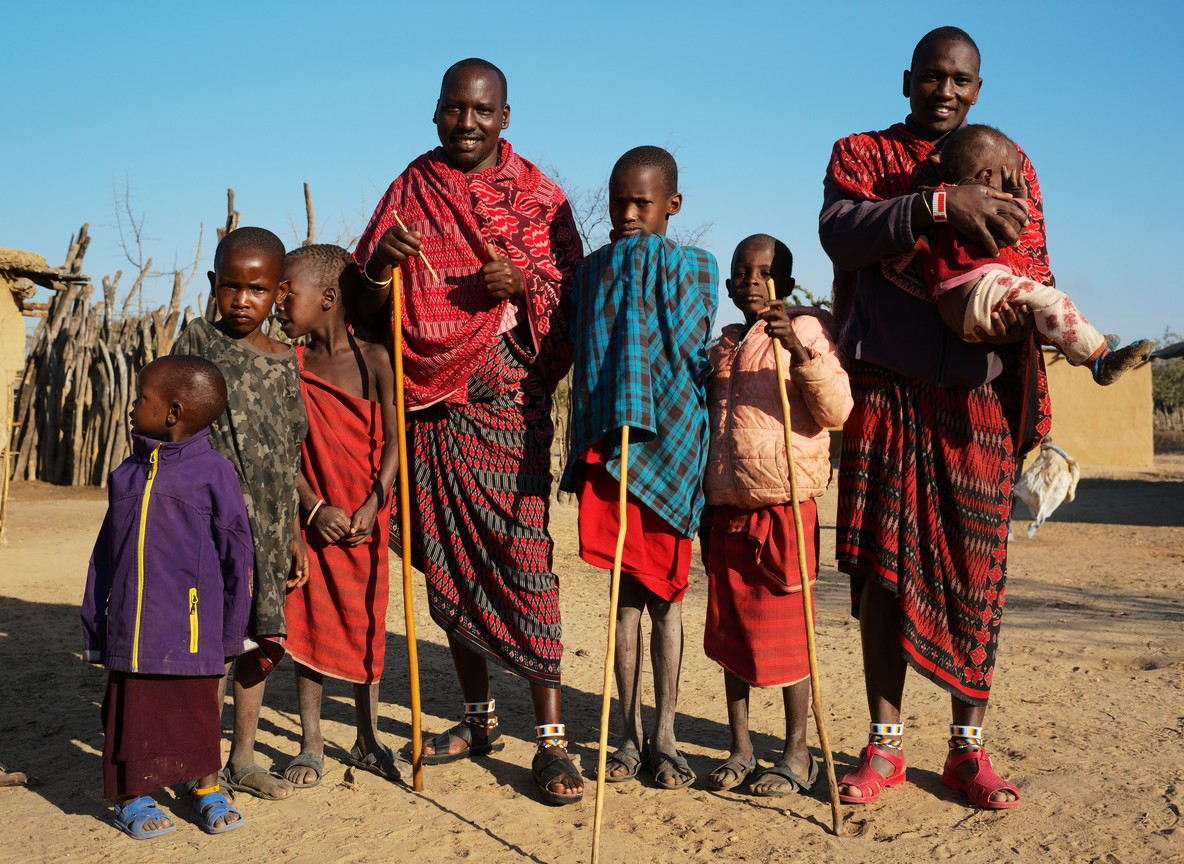
Narok County, home to the Masai Mara National Reserve and its surrounding conservancies, is large and mostly rural. Many Maasai homesteads sit a considerable distance from the nearest government dispensary or hospital. That distance grows during the long rains, when roads soften. Narok town holds the county’s main referral hospital. For families living deep inside conservancy land, though, reaching it can mean hours of travel. This gap is exactly why conservancy-linked health projects matter. They put basic care, maternal health support, and outreach clinics closer to where pastoralist families actually live. That beats requiring a full day’s trip to town for a routine visit.
Who Runs Community Health Projects in the Mara
Several established organizations operate in and around the reserve, each with a track record longer than any single tourist visit.
The Maa Trust, based near the Naboisho Conservancy, runs a women’s health program alongside its beadwork and dairy cooperatives. It supports reusable sanitary product access and menstrual health education for girls who might otherwise miss school. Basecamp Foundation, linked to Basecamp Explorer’s camps on the reserve’s western boundary, funds health and education work. It ties that work to the Koiyaki Guiding School and surrounding group ranches. National outreach programs, including AMREF Flying Doctors, periodically run health camps in remote pastoralist areas of Kenya, including parts of Narok County. These bring in qualified clinicians for set periods rather than year-round staff. Conservancy management bodies themselves, such as those overseeing Naboisho and Mara North, often direct a share of revenue toward dispensary upkeep and ambulance transport. That revenue comes from landowner payments and tourism. They treat health infrastructure as part of the deal that keeps land under conservation rather than fenced for farming.
How Conservancy Fees Fund Local Clinics
The Mara’s conservancy model is the financial engine behind most of this work. Maasai landowners lease grazing and wildlife rights to camps inside conservancies like Naboisho, Olare Motorogi, and Ol Kinyei. Camps pay a nightly conservation fee on top of the room rate. That fee splits between landowner payments, conservancy management, and community projects, which can include health posts and school bursaries. Travelers who stay inside these conservancies are already funding some of this work simply by paying the standard bed-night fee. That is a meaningfully different, and more sustainable, form of “safari with purpose” than a single afternoon of volunteering.
Mara Community Health and Access Facts to Check
| Detail | Figure |
|---|---|
| Nairobi to Masai Mara Reserve (road, via Narok) | approx. 270 km, 5-6 hr drive |
| Nairobi Wilson Airport to Mara airstrips (e.g. Musiara, Ol Kiombo) | approx. 45 min flight |
| Narok town to Sekenani Gate | approx. 82 km, 1.5-2 hr drive |
| Masai Mara National Reserve entry fee, non-resident adult | \$100/day (Jan-Jun), \$200/day (Jul-Dec) |
| Community conservancy fee (e.g. Naboisho, Ol Kinyei), non-resident adult | approx. \$60-80/day |
| Mara Naboisho Conservancy size | approx. 50,000 acres (approx. 145 km2) |
| Ol Kinyei Conservancy size | approx. 18,500 acres (approx. 75 km2) |
| Reserve ticket validity | 12 hours (approx. 6am-6pm), not 24h |
How to Visit These Programs Responsibly
Start with the camp, not the clinic. Most conservancy camps can arrange a visit to a supported project, such as the Maa Trust workshop or a beadwork cooperative that funds health work. They can set this up as a scheduled activity with a guide who knows the protocol. Ask what the visit actually involves before you go. A good visit means observing, asking questions, or buying directly from the cooperative. Donating to a named organization with a public track record counts too. It does not mean holding a stethoscope, dispensing medication, or photographing patients without explicit consent. If a program offers to let untrained visitors perform any clinical task, treat that as a warning sign rather than a selling point. It usually means the program is not following Kenyan health regulations.
Travelers who genuinely want to contribute skilled time should look for structured placements that check licenses and run for weeks rather than days. These placements partner directly with the Kenya Ministry of Health or a recognized NGO. Those exist, but they are a different trip than a one or two week safari.
Red Flags: What Ethical Involvement Should Avoid
Voluntourism has a documented problem with short-term, unqualified placements that do more for the visitor’s experience than for the community. In the Mara specifically, be cautious of any operator promising hands-on medical work with no license check. Also watch for a program that charges a steep fee for a few days of “volunteering.” Be wary too of a visit that centers on posed photos with patients or children rather than the actual program. A well-run community health project will usually be happy to explain its funding and staff qualifications. It will also explain how tourist visits or donations get used. If those answers are vague, that is reason enough to look elsewhere.
Explorer Notes
Ask your camp host directly which local organizations they support and whether a visit is currently open to guests. Programs shift their visiting hours seasonally and some pause visits entirely during school terms or the rains. Bring cash in small denominations if you plan to buy directly from a cooperative shop. Card payment is rarely available this far from town. Skip bringing donated medicine or supplies unless a named organization has specifically requested them. Unsolicited donations often go unused or create logistics problems for local staff. If your main interest is conservation rather than health work specifically, ask about conservancy scout and ranger programs instead. These welcome observational visits more readily than clinical settings do.
What to Read Next
- Curious how conservancy fees translate into community projects more broadly? Read our wildlife conservancy community benefits in Kenya guide.
- Want to see another named, verifiable community health program in the Mara? Check our Gamewatchers menstrual health and girls’ education piece.
- Planning a stay inside a community conservancy? See our Naboisho Conservancy walking safari guide.
FAQ
Can tourists volunteer at health clinics in the Masai Mara? Untrained tourists generally cannot perform clinical work, since Kenya requires licensed practitioners for that. Travelers can visit supported programs, buy from cooperatives, or donate to named organizations instead.
What is the Maa Trust and can visitors see its work? The Maa Trust is a Naboisho-based organization running women’s health, beadwork, and dairy cooperative programs. Some camps arrange guest visits to its workshops as a scheduled activity; confirm directly with your camp before you travel.
How do conservancy fees support community health in the Mara? Camps inside conservancies like Naboisho and Ol Kinyei pay a nightly conservation fee. It splits between landowners, conservancy management, and community projects, which can include dispensaries and ambulance support.
Is it better to donate money or bring supplies? Money to a named, accountable organization is almost always more useful than donated supplies. Staff can direct funds to the specific gap that exists, rather than storing unrequested items.
Does a “safari with purpose” cost more than a standard safari? Not necessarily. Staying inside a community conservancy already funds local projects through the standard conservation fee. The added cost, if any, is usually just the conservancy fee itself, rather than a separate volunteering charge.
Building a trip around a real community health project takes a bit more planning than booking a standard game-drive itinerary. Visit Touring Insights’ Tour Packages page to compare operators running conservancy-based safaris in the Naboisho and Mara North area. This kind of community-linked stay is easiest to arrange there.